The history of Costa Adeje becomes easier to understand when you look beyond the modern resort name. The coast forms part of Adeje, a municipality with a historic town, agricultural landscapes and a much older relationship with water. A thoughtful visit connects those settings rather than imagining that the entire area began as one fishing village and turned into a resort overnight.
This guide uses municipal heritage information and museum sources to distinguish documented landmarks from broad island history. It also suggests ways to explore the subject during a stay at Villa Dolce Vita in Armeñime. The suggested walks are editorial ideas; access to individual buildings and routes must be confirmed separately.
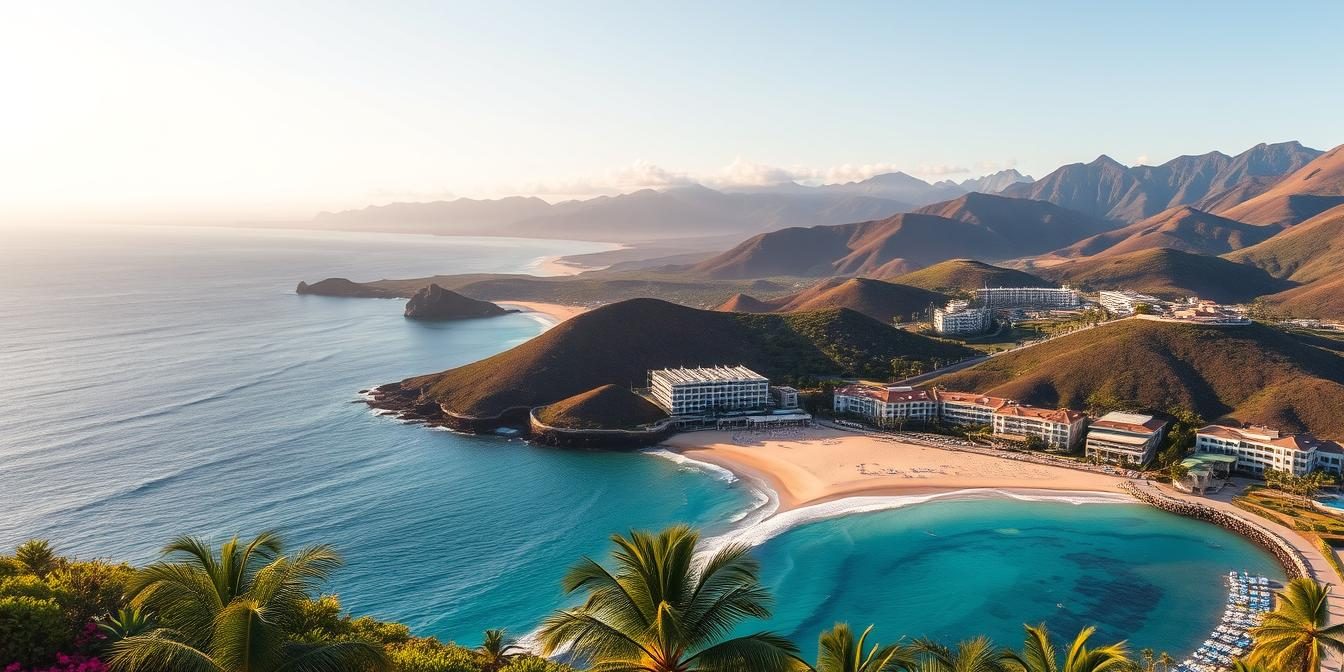
Sources reviewed on 29 October 2026. The cover is a conceptual coastal illustration retained from the original article, not a historical photograph or a view identifying a particular beach. The former archaeological and conquest illustrations have been removed.
History of Costa Adeje: three places to keep distinct
First distinguish Adeje as a municipality, Adeje’s historic town and the coastal tourism destination known as Costa Adeje. These references overlap, but they are not interchangeable. A monument in the town does not stand on every resort promenade, and a story about the island cannot automatically be placed at a particular coastal site.
That distinction helps when reading an old account or planning a visit. Ask what place the source actually describes, when it was written and what evidence supports it. A precise location is more useful than a sweeping statement that turns all of southern Tenerife into the setting for the same event.
Use the landscape as a question, not as proof
A barranco, a channel or an old building can prompt a useful question about how people lived. However, its appearance alone cannot establish a date or a historical function. Look for the interpretation provided by the responsible heritage source and separate what it confirms from what you are inferring.
The same applies to photographs and illustrations. A dramatic image may communicate a theme without documenting an event. In this guide, the historical account comes from the linked sources. The cover provides visual context only and should not be used to identify an archaeological site or reconstruct a battle.
Guanche Tenerife and the place of Adeje
The Museo de Naturaleza y Arqueología discussion of Guanche territorial organisation describes the island through its natural regions and menceyatos, including Adeje. This provides a more careful starting point than presenting a single simplified story of the whole island as if every detail were equally established.
For visitors, the useful lesson is to distinguish territorial history from the evidence of a particular site. A museum discussion of Guanche organisation does not mean that an illustrated settlement can be labelled as an actual excavation in Costa Adeje. Archaeological interpretation needs its own documented context.
Treat traditions and historical interpretation with care
Municipal accounts may refer to traditions associated with Tinerfe and the later territorial divisions. Those accounts form part of how local history is explained. When comparing them, keep their wording and purpose in mind rather than turning every tradition into a precisely dated event.
It is also sensible to avoid attaching unsupported genetic percentages or island-wide discoveries to a local holiday guide. Such claims need specialised evidence and a clear geographic scope. They do not help a visitor identify the town’s heritage landmarks or understand the route they are about to follow.
Conquest, settlement and a changing community
The municipality’s historical overview places Adeje’s development within the wider changes following the conquest of Tenerife. It describes later institutions, agriculture and the emergence of tourism. Read that account as a sequence of changes, not as a claim that one modern resort area existed in the same form throughout those periods.
Historical transitions involved changes in land, authority and everyday work. A visitor can acknowledge that complexity without reconstructing an undocumented scene. The aim is to understand why particular buildings and landscapes matter, while recognising that a short travel article cannot replace specialist historical research.
A timeline is an orientation tool
Use a short timeline to organise your reading, then return to the source for the detail. It helps separate a date connected with a church, a fortification or a later institution. Those dates describe different processes and should not be combined into a single founding date for Costa Adeje.
For the same reason, an early reference to a place and the construction date of the building standing there today may differ. When you encounter two dates, ask what each one refers to before assuming the sources disagree. This is a useful habit when exploring any historic town.
Water offers a practical way into Adeje’s past
The municipal Ruta del Agua presentation explains the importance of water moving from the Barranco del Infierno through the town’s channels and associated infrastructure. It connects that resource with agriculture and settlement. This gives a visitor a concrete theme to follow through the landscape rather than a list of disconnected monuments.
As you walk, consider the practical questions water raises: how it was moved, where people used it and what activities depended on it. These are prompts for observation, not claims that every feature you see belongs to the same period. Consult the route’s official information to identify the relevant points.
The heritage route and the ravine trail are different activities
Do not confuse exploring water-related heritage in the town with undertaking the Barranco del Infierno trail. The trail has its own access arrangements and preparation needs. A town walk does not establish admission to the ravine, and a trail booking does not turn every historical building into an open attraction.
Our Barranco del Infierno and Adeje old town guide helps separate those plans. Choose the activity suitable for your group, then confirm the current conditions. You can explore a historical theme without committing everyone to the same walking distance.
Casa Fuerte and the organisation of the estate
The official Casa Fuerte heritage description relates the complex to sugar production and the Ponte family’s fortified residence. It records a request for fortification in 1553, authorisation in 1555 and construction in 1556. Those details make it possible to describe the landmark without inventing a modern visitor experience.
The source also presents a complex serving several functions rather than a building understood solely as a castle. For interpretation, think about the relationship between residence, work and authority. This is a way to read the description, not a statement that every historical room can be visited today.
Separate significance from present-day access
An important monument may have limited or changing access. Before planning an interior visit, check what is currently offered by the responsible organisation. If access is unavailable, a wider town walk may still be worthwhile, provided it follows public routes and respects any barriers or instructions.
Avoid making your entire day depend on a photograph of an interior or an opening schedule copied from an old travel article. Build a plan with enough flexibility to enjoy the town even if one site cannot be entered. This practical distinction prevents a heritage guide from becoming an unreliable ticket promise.
Santa Úrsula: a building with more than one phase
The municipal Santa Úrsula church information identifies an early documentary reference in 1530 and the creation of the parish in 1560. It also explains that the existing building developed through different phases. This is a helpful example of why the first reference to a place is not the date of every visible architectural element.
When visiting a religious building, look for the features identified by the official interpretation rather than assuming everything belongs to one moment. Also remember that it may continue to serve a religious purpose. A visitor’s interest in architecture should fit around the building’s current use and instructions.
Make room for a slower visit
If access is available, allow time to observe rather than rushing between photographs. Choose a small number of details to understand and refer back to the source afterwards. A short, attentive visit can be more rewarding than trying to identify every architectural term in a single stop.
If the building is closed, use the opportunity to understand its position within the town and continue with the rest of your walk. Avoid presenting closure as evidence that a whole destination lacks heritage. It simply means that a particular part of the visit needs another date or a different arrangement.
Agriculture remains part of the story
The municipality’s historical overview describes the importance of agriculture and later export crops before the transformation associated with tourism. This places the visitor economy within a longer sequence of activities. It also discourages the idea that the entire municipality can be understood only through its hotels and beaches.
For a present-day walk, the useful approach is to look at how working landscapes and settlements relate to one another. However, do not identify a current field’s crop, ownership or history without evidence. A broad account of agriculture does not establish the story of every parcel seen from a road.
Everyday work is part of heritage
It is easy to focus on prominent buildings and overlook the practical systems that supported a community. Water, transport and cultivation provide other questions to explore. They help connect a monument with the activities described in the historical record, rather than treating it as an isolated decorative object.
This perspective can also make a visit more interesting for a mixed group. Some people may enjoy architecture, while others prefer landscape or everyday life. Choosing a shared theme such as water allows different interests to fit into the same outing without requiring everyone to follow a specialist lecture.
Tourism and the modern coastal landscape
The official Tenerife Tourism destination guide describes the relationship between the municipality’s town, natural settings and coastal tourism development. The municipal historical overview places a major transformation in the later twentieth century. Together, they support a broader picture than a simple claim that luxury tourism replaced one uniform fishing settlement.
For interpretation, distinguish infrastructure, accommodation and the communities using them. Today’s coastline view may show only part of that process. A careful history of Costa Adeje should therefore connect the coast with the town and landscape, while avoiding unsupported conclusions about every resident’s experience.
A modern label does not erase older places
Tourism names help visitors orient themselves, but they can hide differences between local settings. Check the place name on the map and compare it with the historical source. This helps you understand whether an account concerns a coastal area, the town or the municipality as a whole.
It also helps when choosing accommodation. A property can provide a convenient base for exploring heritage without standing beside the monument itself. Ask about the actual journey and return rather than assuming a destination label guarantees walking access to every place mentioned in its history.
A suggested heritage outing from Villa Dolce Vita
Our editorial suggestion is to devote a manageable part of a day to Adeje town, using the official heritage information to select a few stops. Begin with the geography, choose a water-related theme and add one or two landmarks. Confirm any interior access before deciding how much time to allow.
Leave space for a pause and a meal rather than treating the town as a checklist. If your group has different walking needs, agree a meeting place and a shorter alternative. The purpose is to understand the place at a comfortable pace, not to complete the longest possible route.
Preparation before leaving Armeñime
Check transport, parking if driving and the walk from your arrival point. Carry the information you need for confirmed visits and review any local notices. If a trail is part of the day, prepare for it separately and follow the responsible operator’s conditions rather than relying on a general heritage itinerary.
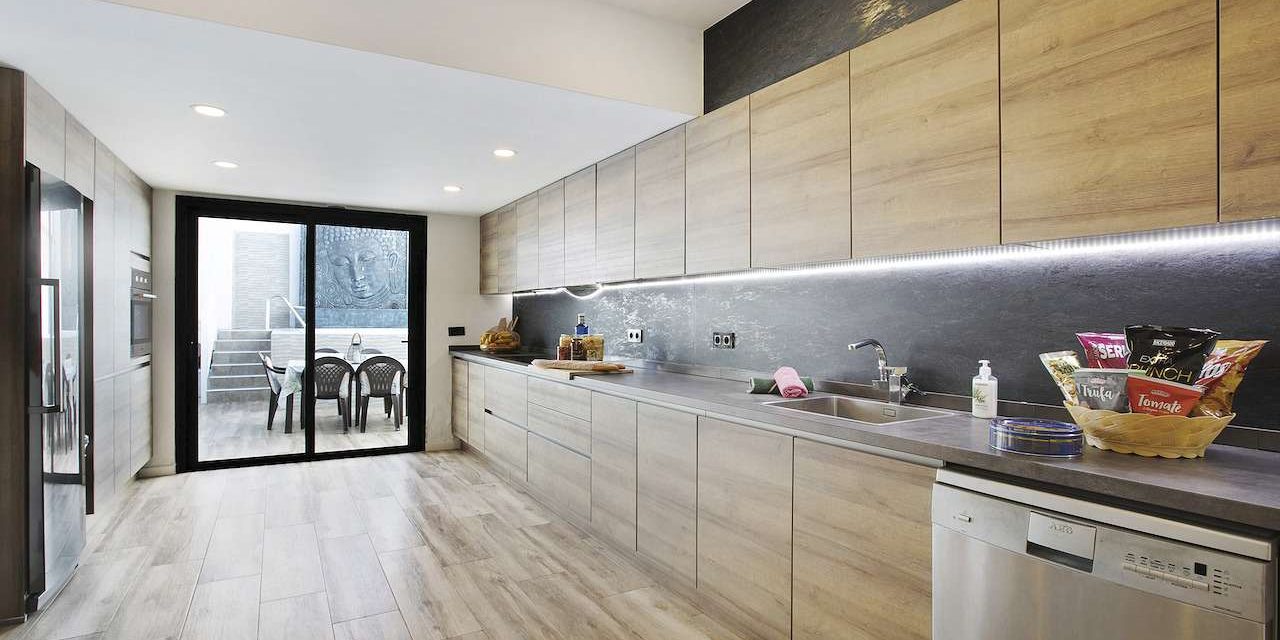
Villa Dolce Vita has four bedrooms, three full bathrooms and a separate WC and space for up to nine guests, with a private heated pool included. It is in Armeñime, Adeje, and we recommend a car for flexible trips. It is not beachfront and has stairs, so review the house and outing arrangements according to your group.
Reading the history of Costa Adeje critically
Ask four questions when a claim attracts your attention: who publishes it, what place it concerns, what period it describes and whether it identifies evidence. A municipal interpretation, a museum article and a travel advertisement serve different purposes. Reading them carefully does not mean expecting each to answer every question.
If a claim concerns an archaeological discovery elsewhere on Tenerife, keep that location explicit. If it concerns a current environmental target, do not present it as an established result. These distinctions help protect a local history article from accumulating impressive but unrelated statements.
Keep historical dates and travel updates separate
A verified historical date does not change each year, while access arrangements can. This article therefore uses its review date to identify the check of sources, not to suggest a new version of history for 2027. Future travel plans should confirm opening and transport information close to the visit.
For further outings, explore the English Tenerife holidays guides. For questions about a stay, use Renova’s English information page. The heritage guide offers context for your trip; it is not a package of admissions or a promise of access.
Frequently asked questions
Does the history of Costa Adeje begin with tourism?
The modern tourism destination forms part of a municipality with an older history. Understanding the town, water systems and agricultural context helps put the coast into perspective. Keep those geographic references distinct when reading an account or planning your route.
Can I see Guanche archaeology at any illustrated coastal site?
An illustration does not identify an excavation. Use museum and heritage sources for the location and interpretation of archaeological material. This article does not present its conceptual cover as documentary evidence of a settlement or event.
Are Casa Fuerte and Santa Úrsula always open to visitors?
Historical significance does not establish current access. Confirm the arrangements for your date with the responsible organisation. If an interior visit is unavailable, adapt your plan to public routes and the other stops you have checked.
Is the Ruta del Agua the same as the Barranco del Infierno hike?
They should be planned as different activities. A heritage theme through the town does not replace the trail’s booking and preparation requirements. Choose each element deliberately and follow the current instructions relevant to that visit.
How much should I try to see in one day?
Choose a few connected stops and leave time for rest and transport. The suggested outing is flexible and should match the group. Reading the official descriptions before travelling can help you get more from a shorter visit.
Official references
Sources linked in the text: Ayuntamiento de Adeje’s historical overview, Casa Fuerte, Santa Úrsula and Ruta del Agua pages; the Museo de Naturaleza y Arqueología; and Tenerife Tourism. Checked on 29 October 2026. The interpretation questions and suggested outing are editorial recommendations, with access to be confirmed separately.
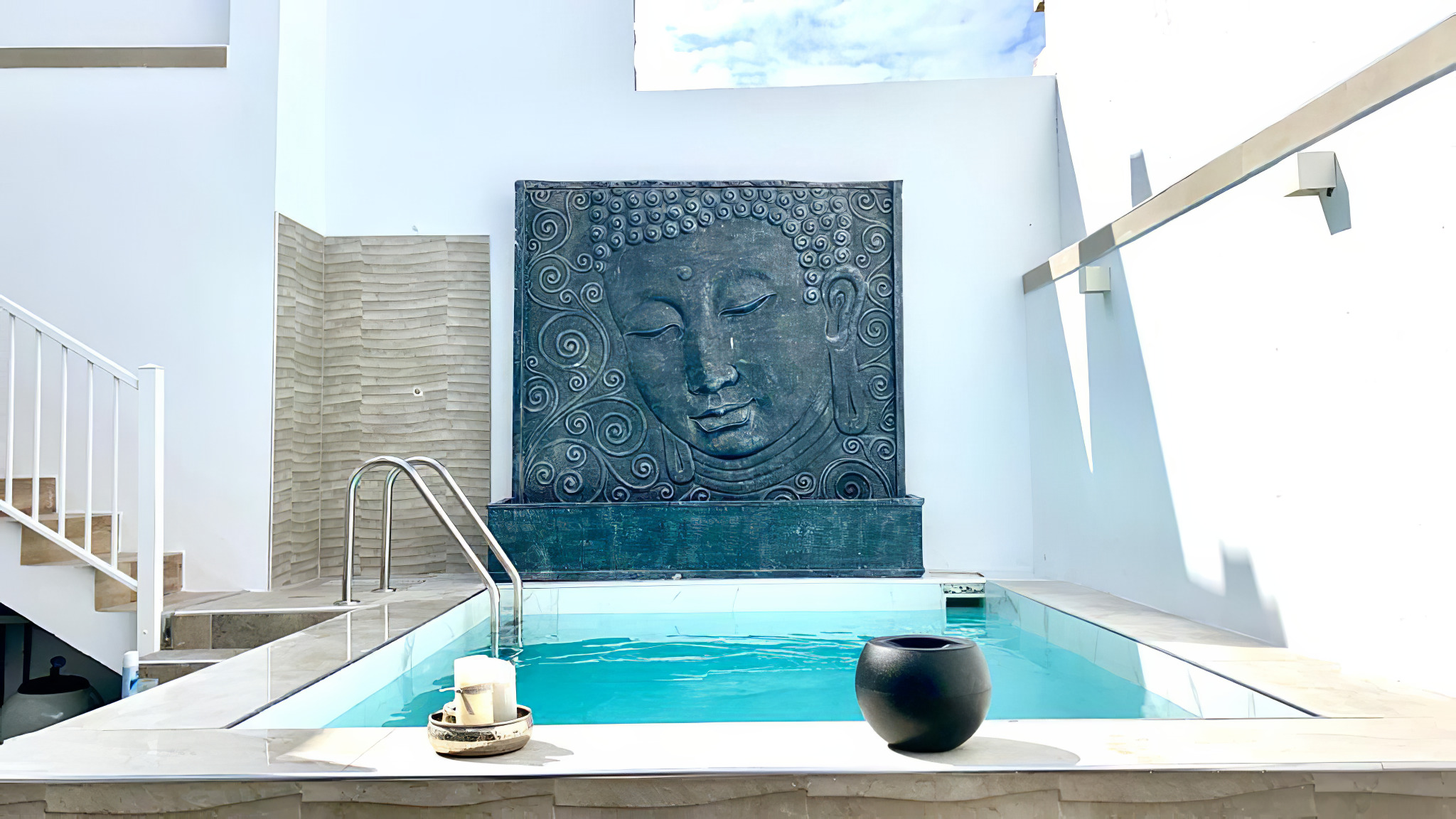
Your stay at Villa Dolce Vita
Your private heated pool, terraces and time together. A villa in Armeñime, Adeje, for a holiday with family or friends.
Check dates and prices